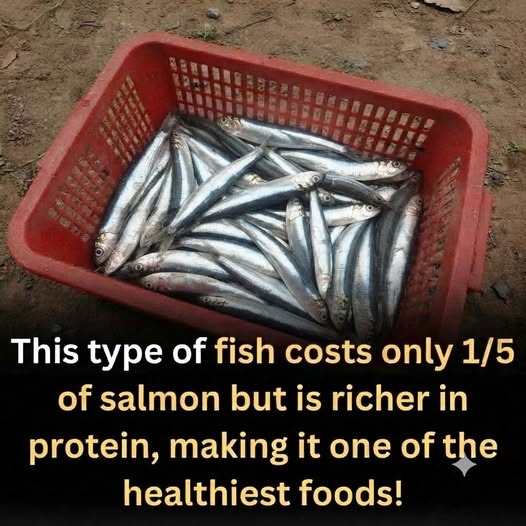
Fish can be a convenient source of high-quality protein because it generally provides all the essential amino acids your body needs.
Pollock can therefore be a useful choice for people looking for an affordable protein-rich food.
The exact amount of protein varies depending on the species, portion size, and preparation method, so it’s better to think of pollock as a protein-rich food rather than a food with one fixed protein number.
How Does It Compare With Salmon?
This is where the comparison becomes interesting.
Salmon and pollock are both nutritious, but they’re not nutritionally identical.
Salmon
Salmon is especially well known for its omega-3 fatty acids, including EPA and DHA. These fats are important components of a healthy diet and are one of the main reasons fatty fish are frequently recommended.
Salmon also provides protein and several vitamins and minerals.
Pollock
Pollock is generally much leaner than salmon.
That means it can provide plenty of protein while contributing fewer calories from fat. However, it also generally contains considerably less omega-3 fat than fatty fish such as salmon.
So replacing salmon with pollock isn’t necessarily a one-for-one nutritional swap.
Instead, think of them as two different types of nutritious fish that can complement a varied diet.