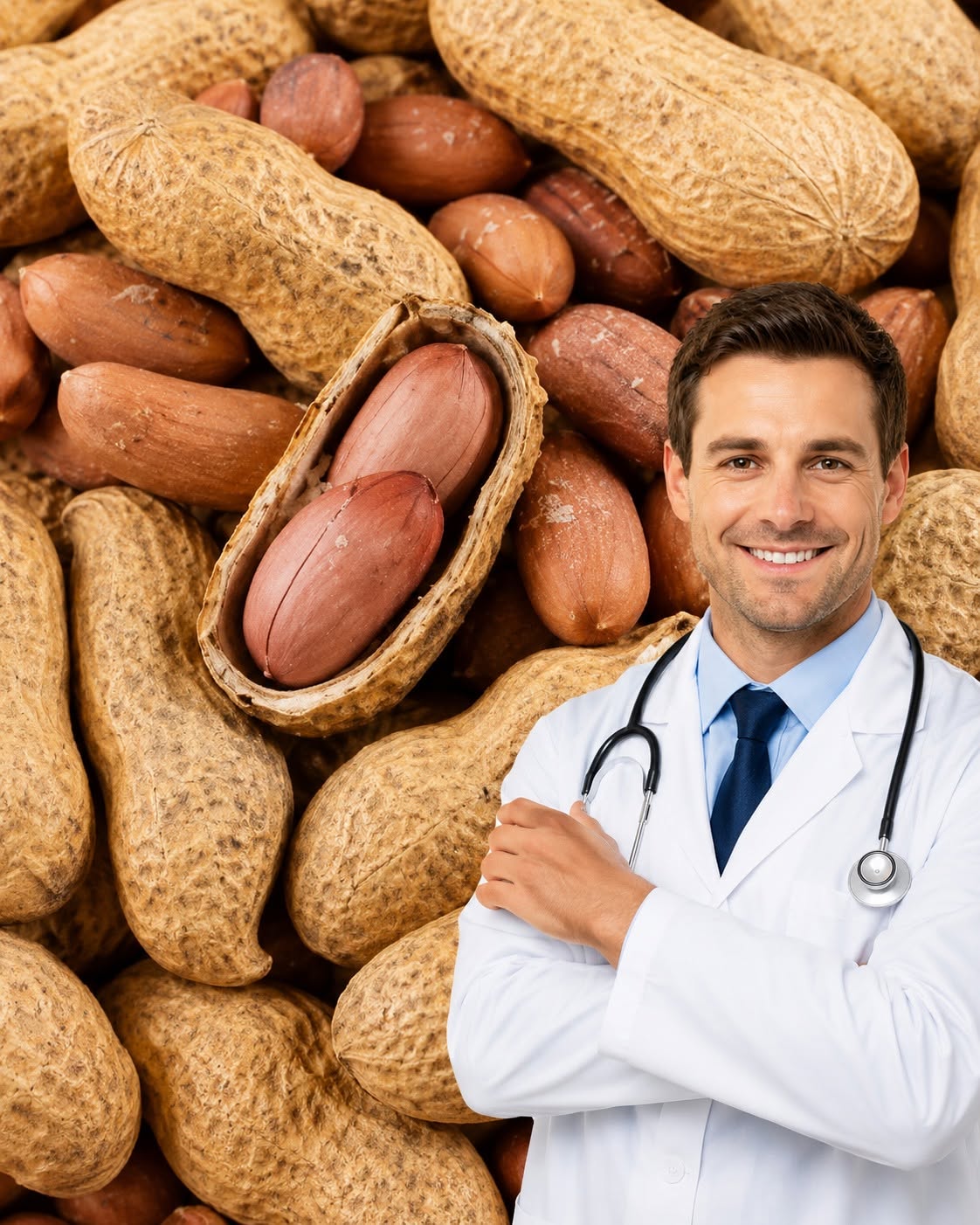
Peanuts that are exposed to warm, humid, or unsuitable storage conditions can develop mold.
Some molds can produce substances called aflatoxins. Long-term exposure to high levels of aflatoxins can pose serious health risks.
For this reason, it is important to buy peanuts from reliable sources and store them properly.
Peanuts should be kept in a cool, dry environment. If they have an unusual smell, visible mold, or signs of spoilage, they should not be eaten.
Is Peanut Butter Healthy?
Peanut butter can also be a nutritious food, but the ingredients matter.
Natural peanut butter made primarily from peanuts, with little or no added sugar, can provide protein, healthy fats, and other nutrients.
However, some commercial peanut butter products may contain:
- Added sugar
- Large amounts of salt
- Hydrogenated or highly processed oils
- Other unnecessary ingredients
Reading the nutrition and ingredient labels can help you choose a healthier product.
A simple peanut butter made mostly from peanuts is generally a better choice than a product containing large amounts of added sugar and other unnecessary ingredients.
Can Peanuts Support Heart Health?
Peanuts contain unsaturated fats, which can be part of a heart-healthy diet.
They also provide fiber, magnesium, and antioxidant compounds.
Research has associated regular consumption of nuts and peanuts with various health benefits when they are included as part of an overall healthy eating pattern.