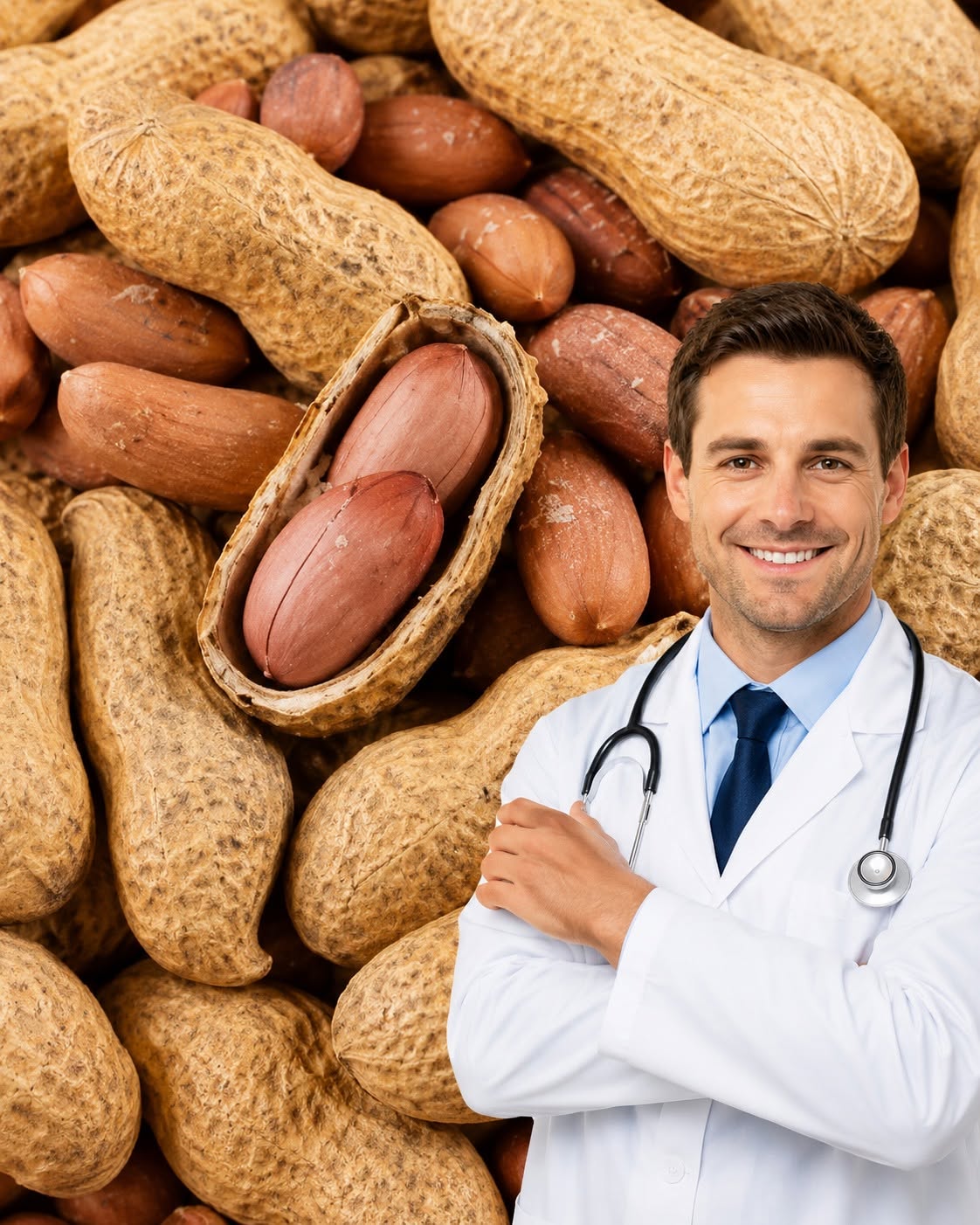
However, eating peanuts does not guarantee protection from heart disease.
The overall diet matters much more. A healthy eating pattern should include a variety of vegetables, fruits, whole grains, legumes, and other nutritious foods.
Can Peanuts Help You Feel Full?
Yes.
Peanuts contain protein, fat, and fiber, which can all contribute to feelings of fullness.
A small serving may therefore make a satisfying snack and could help some people avoid less nutritious snack foods.
However, because peanuts are calorie-dense, portion size remains important, especially for people trying to control their weight.
What Is the Best Way to Eat Peanuts?
The healthiest choice depends on the individual, but simple preparations are generally preferable.
Good options can include:
- Plain peanuts
- Dry-roasted peanuts
- Unsalted peanuts
- Natural peanut butter
Highly salted or heavily sweetened peanut products may provide more sodium, sugar, or calories than necessary.
When choosing peanut products, checking the ingredient list can help you make a better decision.
How Should Peanuts Be Stored?
Proper storage is important because peanuts can become rancid or develop mold when exposed to unfavorable conditions.
Keep peanuts in a cool, dry place and protect them from moisture.
For longer storage, refrigeration can help preserve their quality.
Always check peanuts before eating them. If they smell strange, taste unusually bitter, or show visible signs of mold or spoilage, it is safer to throw them away.