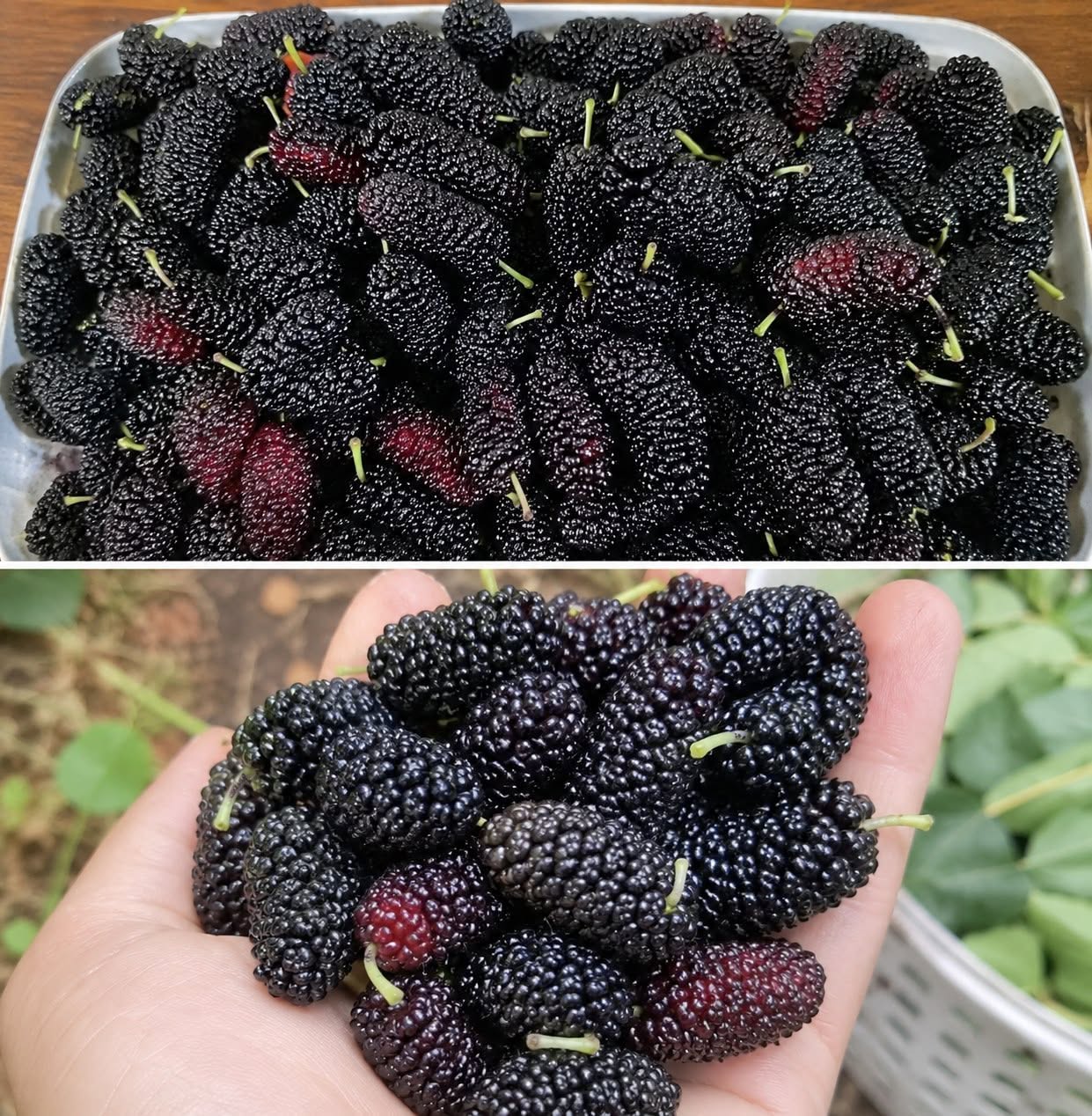
Most People Don’t Know This Fruit Exists — But It May Support Eye Health and Healthy Blood Pressure
There are thousands of fruits around the world, yet many of us regularly eat only a small selection of them.
Apples, bananas, oranges, grapes, and strawberries may dominate supermarket shelves, but there are plenty of lesser-known fruits with interesting nutritional profiles.
One such fruit has recently attracted attention because of its naturally occurring antioxidants, vitamins, minerals, and plant compounds that may contribute to a healthy diet.
So what is this unusual fruit, and why are people interested in its possible connection to eye health and healthy blood pressure?

Meet the Lesser-Known Fruit
The fruit often highlighted in discussions like this is bilberry, a small dark-blue berry related to blueberries.
Bilberries are native to parts of Europe and have traditionally been consumed as food and used in various herbal preparations.
They are particularly interesting because of their deep blue-purple color.
That color comes largely from natural plant pigments called anthocyanins.
Why Are Anthocyanins Interesting?
Anthocyanins are antioxidant compounds found in many deeply colored fruits and vegetables.
They are responsible for the red, purple, and blue colors seen in foods such as:
- Bilberries
- Blueberries
- Blackberries
- Cherries
- Purple grapes
- Blackcurrants
Researchers have studied anthocyanins because of their potential role in supporting normal cellular function and cardiovascular health.