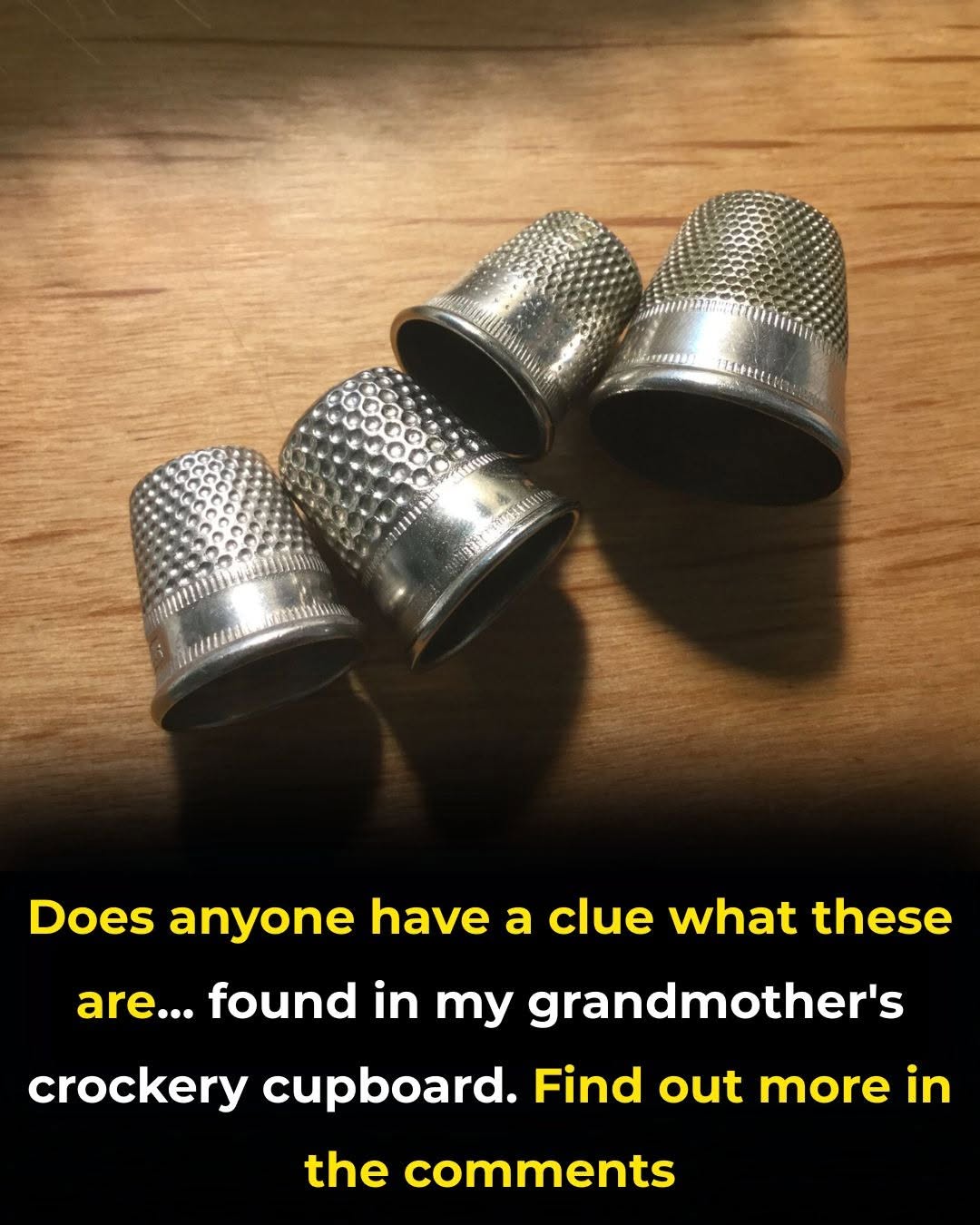
The Timeless Story of Thimbles: The Tiny Tool With a Remarkable History
It is small enough to fit on the tip of a finger, yet the humble thimble has played an important role in sewing for centuries.
Today, many people see thimbles as old-fashioned sewing accessories—something found in a grandmother’s sewing box or displayed among antique collectibles. But these tiny protective caps have a fascinating history that stretches back hundreds, and possibly thousands, of years.
What Exactly Is a Thimble?
A thimble is a small protective covering worn on a finger, most commonly the middle finger, while sewing by hand.

Its main purpose is simple: to protect the finger from being repeatedly pierced by a needle.
The rounded surface also gives the sewer a firm place to push against the back of the needle, making it easier to pass a needle through thick fabric.
It is a remarkably simple solution to a very common problem.
Thimbles Have Ancient Origins
Long before modern sewing machines existed, people relied entirely on hand stitching to make clothing, household textiles, and other items.
Early versions of finger protection were not necessarily shaped like the familiar metal thimbles we recognize today. Archaeologists have discovered objects that may have been used for similar purposes, made from materials such as bone, leather, and other durable substances.