Why Did Thimbles Become Collectibles?
As sewing machines became widespread and mass-produced clothing became more affordable, fewer people needed to sew by hand every day.
The practical importance of the thimble gradually declined.
But its historical and artistic value remained.
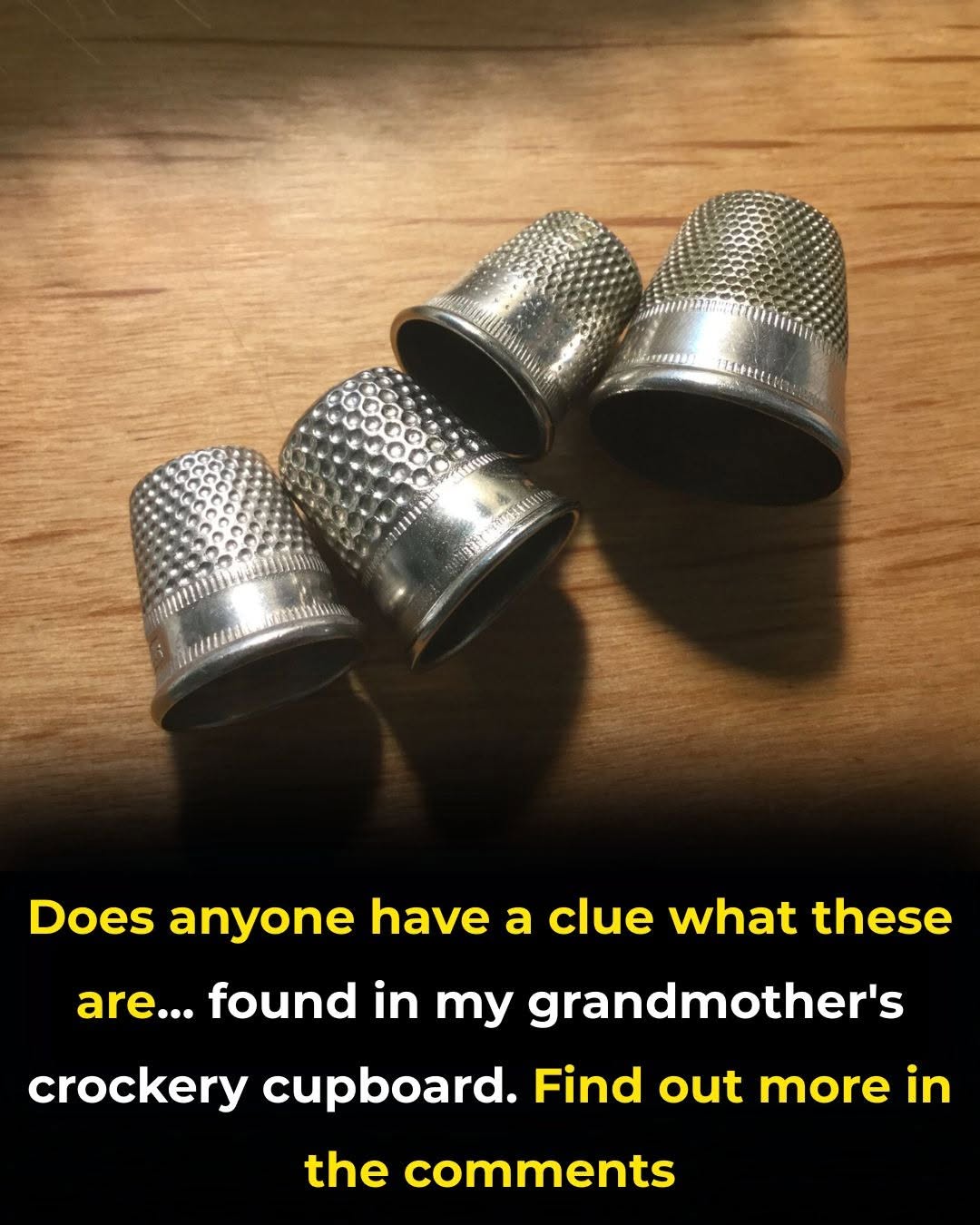
Collectors began searching for unusual designs, rare materials, manufacturer markings, and examples connected to particular periods or places.
Some antique thimbles can now be surprisingly valuable depending on their age, condition, craftsmanship, rarity, and provenance.
More Than Just a Sewing Accessory
The history of the thimble tells us something interesting about everyday life.
Small objects often reveal how people worked, lived, and solved ordinary problems.
A thimble may look insignificant, but it represents generations of sewing traditions, craftsmanship, clothing repair, and domestic life.
It is a reminder that some of the most useful inventions don’t need to be complicated.
The Little Object That Endured
Modern technology has transformed the way we make and repair clothing, but the basic idea behind the thimble remains unchanged.
Protect the finger.
Give the needle somewhere firm to push.
Make hand sewing easier.
It’s a simple idea that has survived for centuries.
So the next time you see an old thimble tucked away in a sewing box, don’t dismiss it as an ordinary piece of metal.