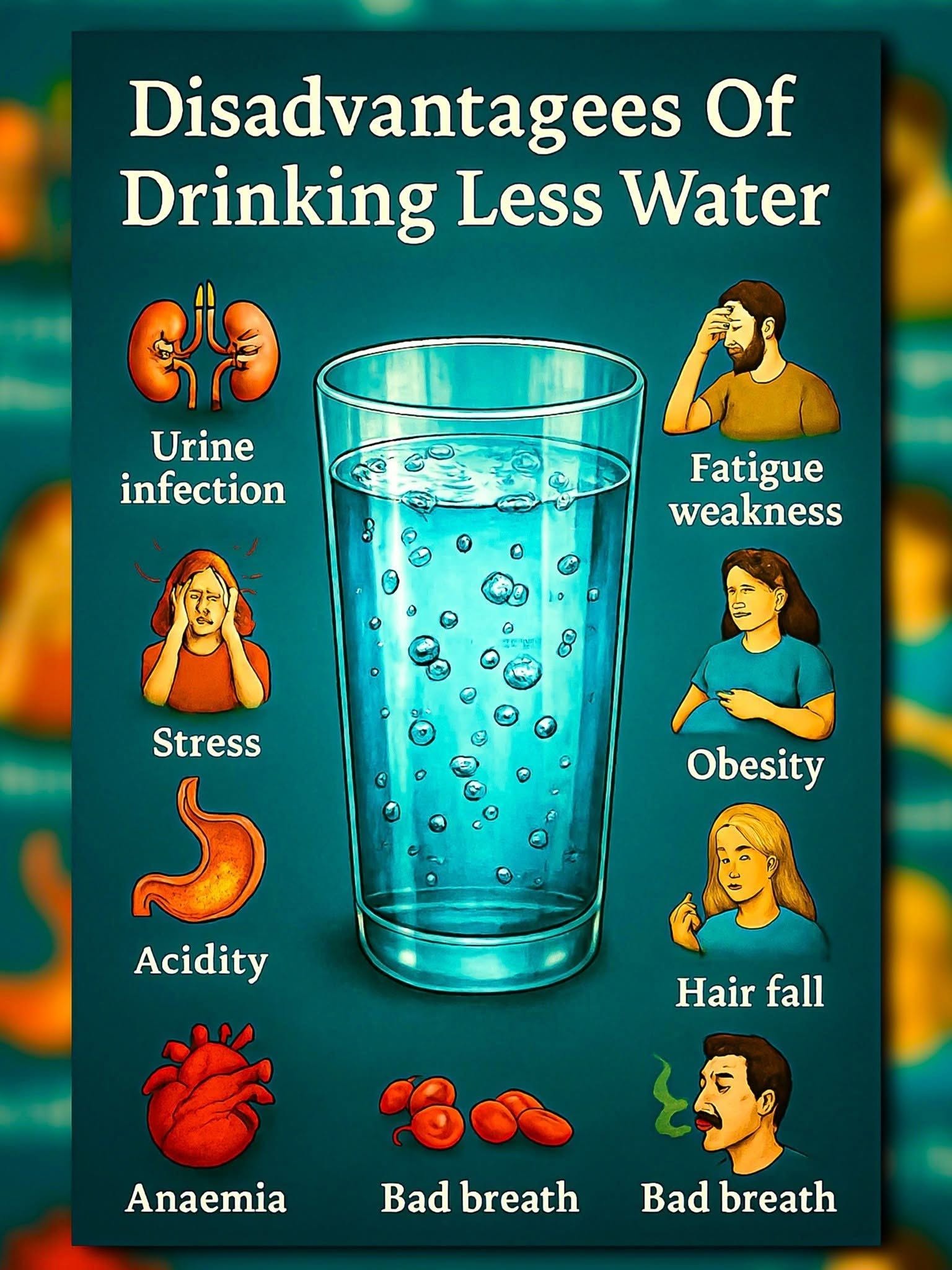
Think You’re Drinking Enough Water? Here’s What Dehydration Can Do to Your Body
Water is easy to take for granted. You may go through an entire day without thinking much about how much you’re drinking—until thirst, fatigue, a headache, or dark urine reminds you that your body needs more fluids.
Dehydration happens when your body loses more fluid than it takes in. It can happen after exercise, during hot weather, when you’re sick, or simply when you don’t drink enough throughout the day.
Understanding the signs can help you respond before mild dehydration becomes a more serious problem.

What Happens When You Become Dehydrated?
Your body depends on water for many essential functions. It helps regulate temperature, transport nutrients, support digestion, and maintain normal blood circulation.
When you lose too much fluid, your body begins making adjustments to conserve what remains.
One of the first things you may notice is increased thirst. Your urine may also become darker and more concentrated.
Other possible symptoms include:
- Dry mouth or lips
- Headache
- Tiredness or weakness
- Dizziness or lightheadedness
- Reduced urination
- Dark-yellow urine
- Difficulty concentrating
The severity of symptoms depends on how much fluid has been lost and how quickly it happened.