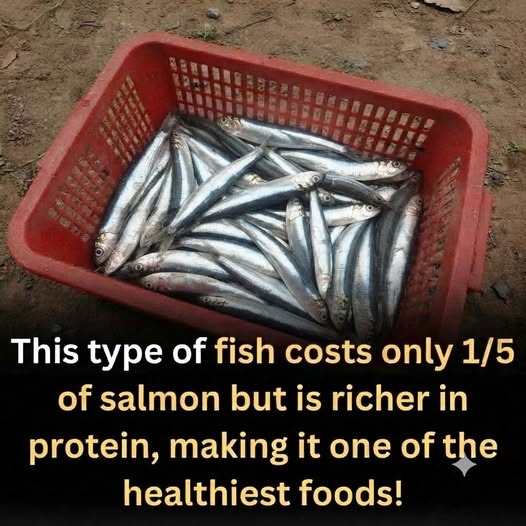
This Affordable Fish Is Much Cheaper Than Salmon and It’s Surprisingly High in Protein

Frozen Fish Can Still Be a Good Choice

Don’t automatically assume that frozen fish is inferior to fresh fish.

Frozen seafood can be a practical and affordable option, particularly when fresh fish isn’t readily available.

The important thing is to check the package, look for a product with minimal unnecessary ingredients, and follow safe storage and cooking instructions.

For budget-conscious households, frozen fillets can also make it easier to keep nutritious seafood available throughout the week.

What About Mercury?

Fish can contain varying amounts of mercury, so seafood choices should be considered as part of an overall varied diet.

The mercury content depends on the species and other factors, and official dietary guidance generally recommends choosing a variety of seafood rather than repeatedly eating only one type.

If you’re pregnant, breastfeeding, preparing food for young children, or have specific concerns about seafood consumption, check current guidance from your local health authority.

Don’t Forget the Omega-3s

One of the biggest differences between pollock and salmon is their fat profile.

Salmon is a fatty fish, while pollock is a lean fish.

That distinction matters because fatty fish tend to provide substantially more EPA and DHA omega-3 fatty acids.

So if you enjoy pollock, there’s no need to stop eating salmon entirely.