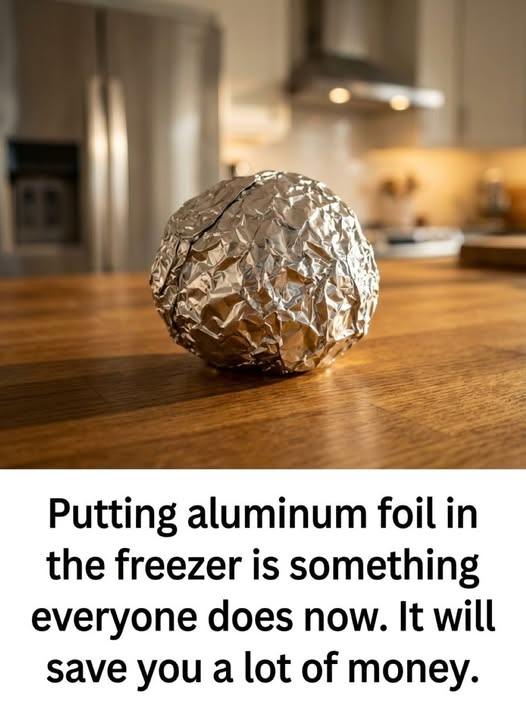
Foil is also fragile—cold temperatures can make it brittle and easy to tear. Even a small unnoticed rip exposes your food to freezer air for weeks. Acidic foods (like tomato sauce, citrus-heavy marinades, or vinegar-based dishes) can react with the metal, leaving strange flavors or dark spots.
The Truth About Freezer Burn
Freezer burn isn’t dangerous—it’s a quality issue. Ice crystals form when moisture leaves the food, causing dryness and surface damage. Foil alone can’t fully stop this during long-term storage, which is why some people think the freezer “ruins” food. In reality, it’s usually the packaging that failed.
How to Use Foil Like a Pro
For best results, think of foil as part of a team:
- Wrap your food tightly in plastic wrap or freezer paper to lock in moisture.
- Add aluminum foil as a second outer layer to block light and extra air.
- Optional: Place foil-wrapped items inside a heavy-duty freezer bag for extra protection.
When to Skip Foil
Avoid using foil for long-term storage (more than a month or two) or for foods with sharp edges (like bone-in chops) that can puncture it. Vacuum sealing or rigid, airtight plastic containers work much better in these cases.
Is It Safe?
Freezing food in aluminum foil is completely safe. Cold temperatures don’t cause it to release harmful chemicals. The only real risk is to your food’s taste if it’s not wrapped properly.
Bottom Line
Aluminum foil isn’t a freezer villain—but it’s also not a magic shield. Think of it as “a protective jacket, not a locked safe.” It’s a helpful tool for short-term storage, but it works best with a little backup.
Your freezer will do its job—your food just needs the right armor.
🔥 Continue Reading 👇 Next Page