Aluminum Foil in the Freezer: What It Can and Can’t Do
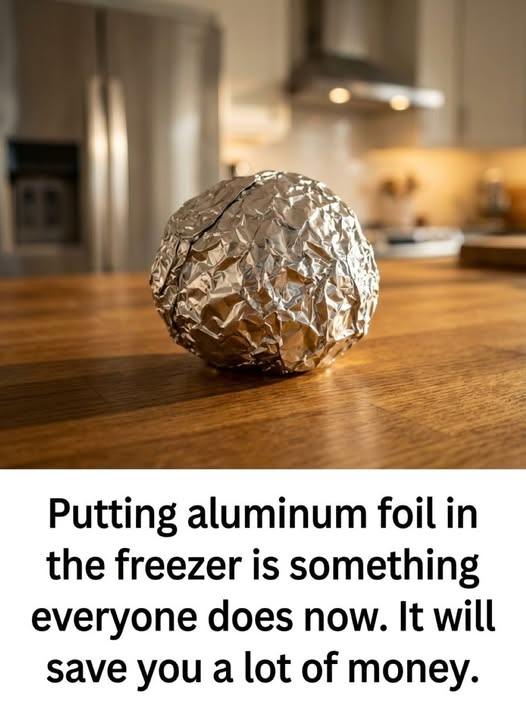
When it comes to kitchen essentials, aluminum foil often earns the title of “freezer MVP.” It’s probably already sitting in your kitchen drawer, easy to mold around any shape of food, and seems to create a tight seal with almost no effort. For many of us, this is a tradition passed down through generations. We grew up watching our parents and grandparents wrap leftovers or meat in foil and slide them straight into the freezer—no questions asked.
But if you want to keep your food at its best, it’s worth knowing the full story. Aluminum foil is useful, yes—but it’s not a “magic shield.” Used correctly, it protects food beautifully; used incorrectly, it can silently ruin texture, flavor, and freshness.
What Aluminum Foil Does Best
Foil’s main superpower is acting as a barrier. It blocks out light and oxygen—the two biggest enemies of frozen food. Oxygen, in particular, causes fats and proteins to oxidize, which leads to the off-flavors you sometimes notice in older frozen items.
Aluminum foil works especially well for:
- Wrapping large cuts of meat: A great extra layer for steaks or roasts.
- Short-term storage: Perfect for items you plan to eat in a few days.
- Outer protection: Adds a sturdy shell over more delicate wraps.
Because it molds tightly, foil also helps reduce air pockets right from the start.
Where Aluminum Foil Falls Short
Foil looks airtight, but it isn’t. Tiny gaps, folds, and creases let air sneak in over time, which can lead to:
- Freezer burn: The most common culprit behind ruined texture.
- Texture changes: Food can become dry or leathery.
- Loss of flavor: Vibrant tastes fade over time.
🔥 Continue Reading 👇 Next Page