If you have high blood pressure, monitoring it and following your healthcare professional’s recommendations remain essential.
A Small Fruit With Valuable Nutrients
Bilberries aren’t simply interesting because of their color.
Like many berries, they can provide a combination of:
- Dietary fiber
- Vitamin C
- Plant polyphenols
- Anthocyanins
- Other antioxidant compounds
The exact nutritional content varies depending on the fruit, variety, growing conditions, and whether it is eaten fresh, dried, or processed.
Fresh whole fruit is generally preferable to highly sweetened products.
Bilberry vs. Blueberry: Are They the Same?
They are closely related, but they are not exactly the same fruit.
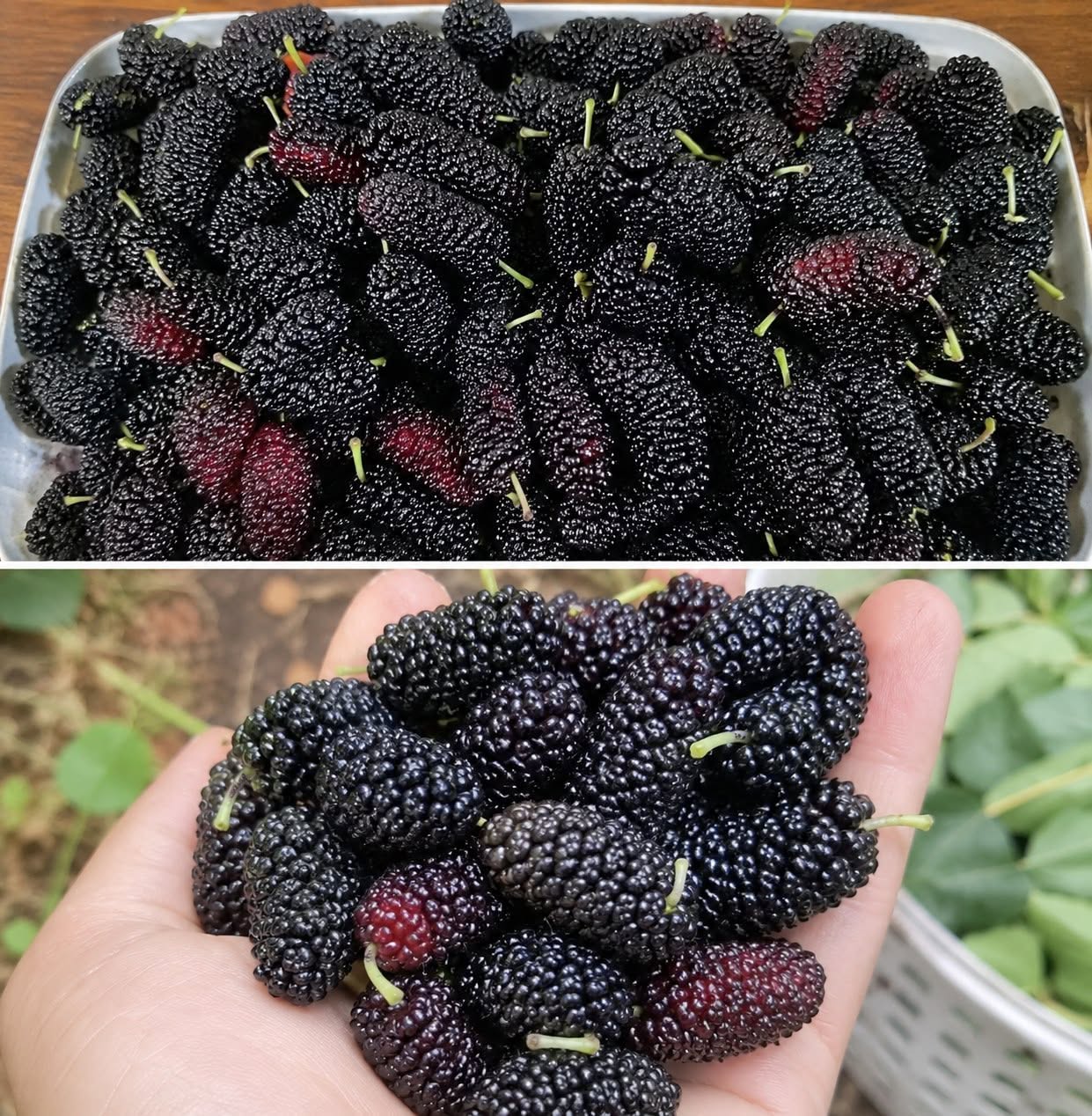
Bilberries generally have smaller berries and darker flesh than common cultivated blueberries.
One noticeable difference is that bilberries tend to have strongly colored flesh throughout the fruit, while many blueberries have pale or greenish flesh inside.
Both can be nutritious additions to a balanced diet.
How Can You Eat Bilberries?
If fresh bilberries are available where you live, they can be eaten in much the same way as other berries.
Try adding them to:
Breakfast
Mix them into oatmeal, yogurt, or whole-grain cereal.
Smoothies
Blend them with other fruits, plain yogurt, or milk.
Desserts
Use them as a topping for homemade desserts instead of relying heavily on added sugar.