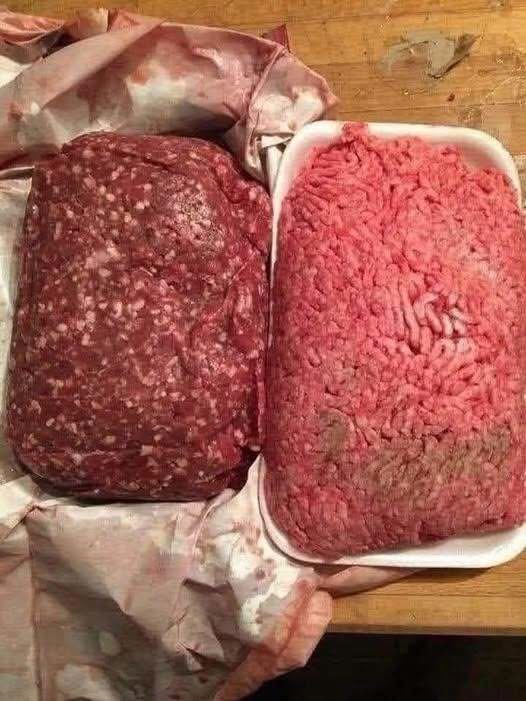
The idea sounds alarming: you pay for premium meat, but could the package actually contain cheaper imported meat?
Stories like this spread quickly online because they touch on a concern many shoppers have—whether the meat they buy is really what the label makes it appear to be.
But there is an important distinction between legitimate food-labeling issues and the claim that supermarkets are secretly replacing premium meat with inferior imports.
What Does “Imported Meat” Actually Mean?
Imported meat isn’t automatically low quality.
Meat can be imported from countries with strict food-safety and inspection requirements, and its country of origin is generally subject to labeling rules. The fact that a product came from another country does not, by itself, mean it is unsafe or inferior.
The real issue is whether the product is accurately described and labeled.
Food misdescription can include incorrectly stating the animal species, substituting a cheaper ingredient, or giving consumers a misleading impression about geographical origin.
Why Labels Matter
When you’re buying meat marketed as premium, there are several things worth checking:
- Country of origin
- Product name and description
- Ingredients, especially for processed meat
- Packaging and processing information
- Quality or certification claims
- Price per pound or kilogram
Don’t assume that words such as “premium,” “traditional,” or “farm” automatically mean the meat came from a particular country or farm.