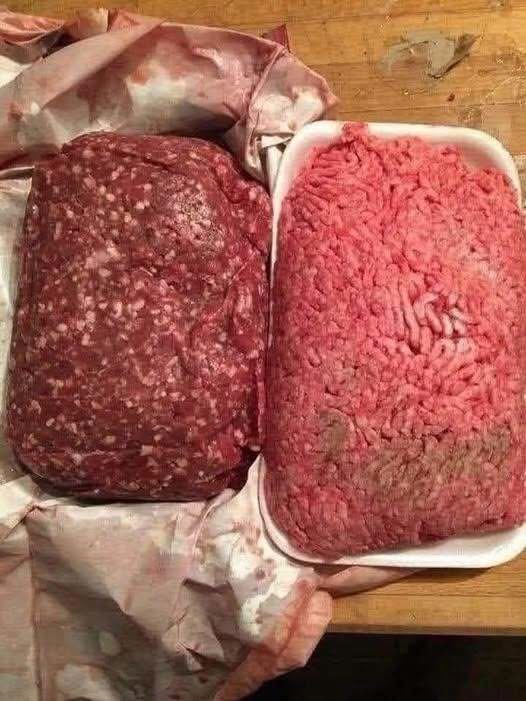
Are Supermarkets Secretly Swapping Your Premium Meat for Low-Grade Imports?

Can Cheaper Meat Be Substituted?

Food fraud and mislabeling are real concerns in the food industry. Substitution can occur when a cheaper ingredient or different species is represented as something more valuable.

However, that is very different from claiming that supermarkets routinely and secretly swap premium meat for low-grade imports.

There isn’t enough evidence to make that sweeping claim about supermarkets as a whole.

In fact, major meat suppliers operate across complicated domestic and international supply chains. For example, Smithfield’s recent corporate filings describe both U.S. production and exports to more than 30 countries, illustrating how interconnected the modern meat supply chain can be.

How to Protect Yourself as a Shopper

The best approach isn’t to panic—it’s to read the label carefully.

If you’re paying extra for a particular origin or quality standard, look for specific information supporting that claim rather than relying only on marketing language.

And if something seems inconsistent—such as a label that appears misleading or a product that doesn’t match its description—keep the packaging and receipt and contact the retailer or appropriate food-safety authority.

The Bottom Line

There are legitimate concerns about food fraud and inaccurate labeling, but the viral claim that supermarkets are secretly swapping premium meat for low-grade imports shouldn’t be treated as an established fact without evidence.

Leave a Reply

Your email address will not be published. Required fields are marked *